My father’s birthday was last week. He has been gone for 25 years—from Earth, that is, but not from my mind or my heart. He is as clear to me as the last time I spoke to him, the night before he passed away in his sleep.
He lives on in the teachings I carry with me. They’ve helped me through life and in my work world.
“Everyone is the same.” Way before D&I was a thing, my father taught how important it was to remember that every person was the same. He didn’t mean that an individual’s experiences or concerns weren’t important. He meant that we as people should all get along because we’re all human, and we shouldn’t judge each other.
“Gaining on it.” This was his motivational line in the middle of a difficult project, as much muttered to himself as to whomever was assisting. I remember him saying it to me as we re-wired an old cellar that only had one light bulb in the middle of the room on a pull chain.
“Good enough.” Probably also on the same project if he changed his mind on how many sockets to install. However, it is said that those who accomplish the most, do not wait until something is perfect; they do the best they can, and then they let it go. On to the next victory.
“If you can help, you must.” If he saw a need, he would step in. If someone needed help, he was there. If something needed to be done, he would do it. He was always available to help, from fixing a car in the pouring rain for nuns who were stuck on the side of the road, to driving neighbors to chemotherapy, to offering to do my laundry when I still lived home. As my brother-in-law said in my father’s eulogy, “Ernie was a helper.”
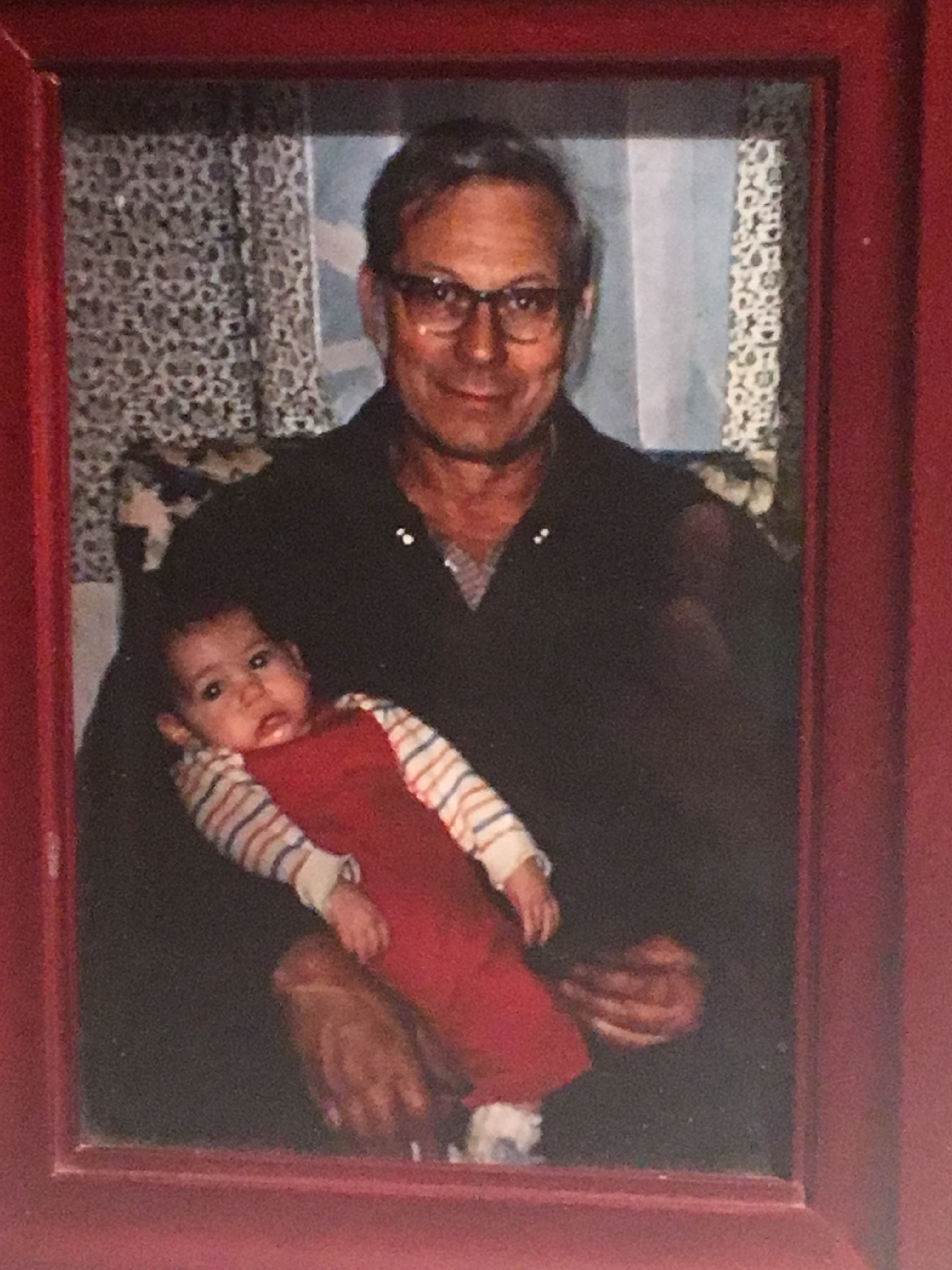
My father holding his namesake, his grandson, Ernie, 1973
Most of his life teachings didn’t come from a quote, however, but from the way he lived his life.
He was a World War II veteran, although he wouldn’t speak of the details. He had served my hometown as volunteer fire chief. He whistled all the time and walked around with hard candy in his pockets (root beer or butterscotch) to help his own dry throat, yet always was handing them out, calling them ‘rations,’ to anyone who wanted one, or two, or three.
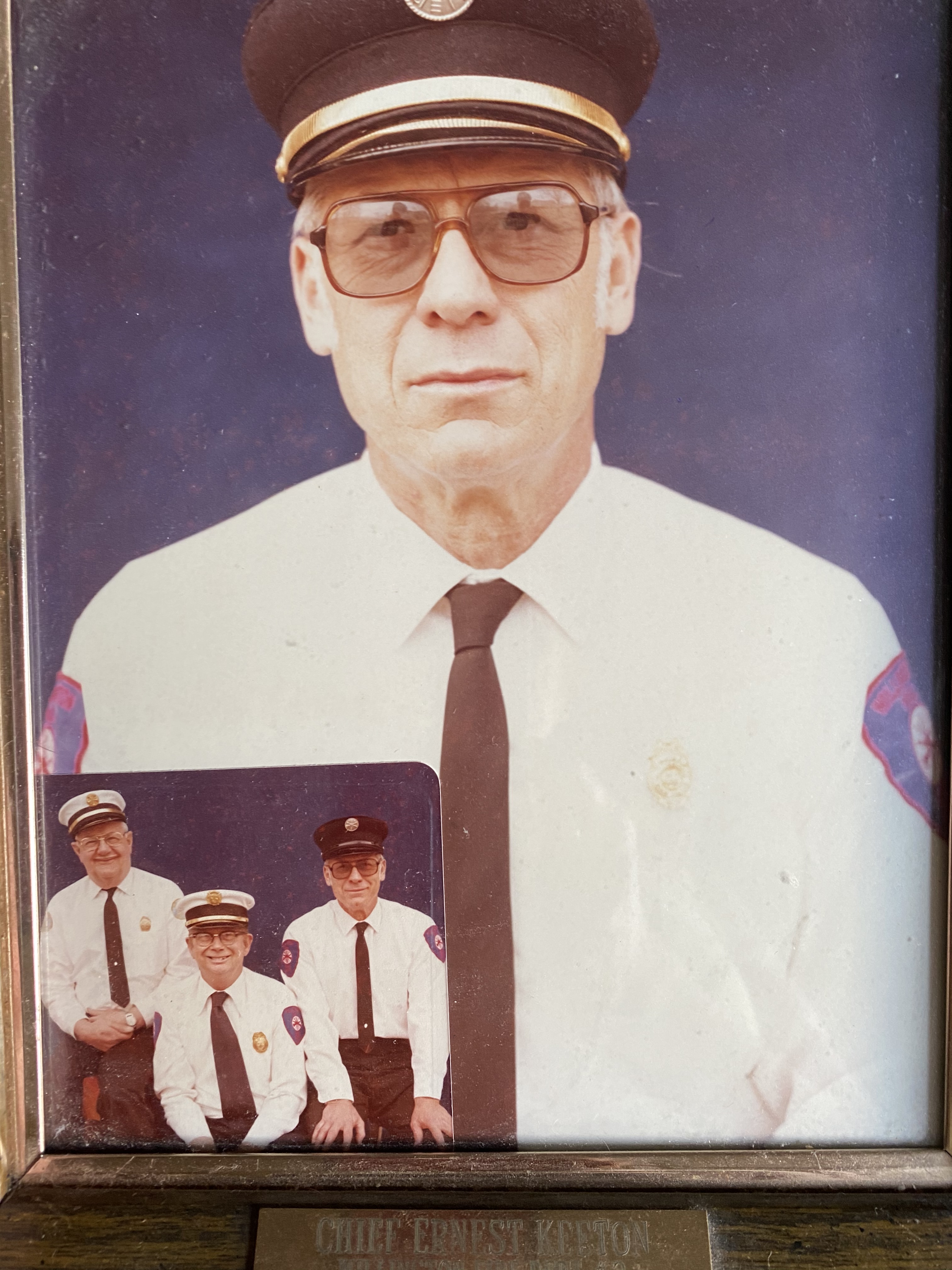
Retired Fire Chief, Willington Hill Fire Department, with fellow former and current (at the time) chiefs
It didn’t matter how tired or how pained he was, if you needed him, he would help. With a smile. I never heard an excuse cross his lips.
He loved people—his family, his neighbors, his friends, and anyone he happened to meet.
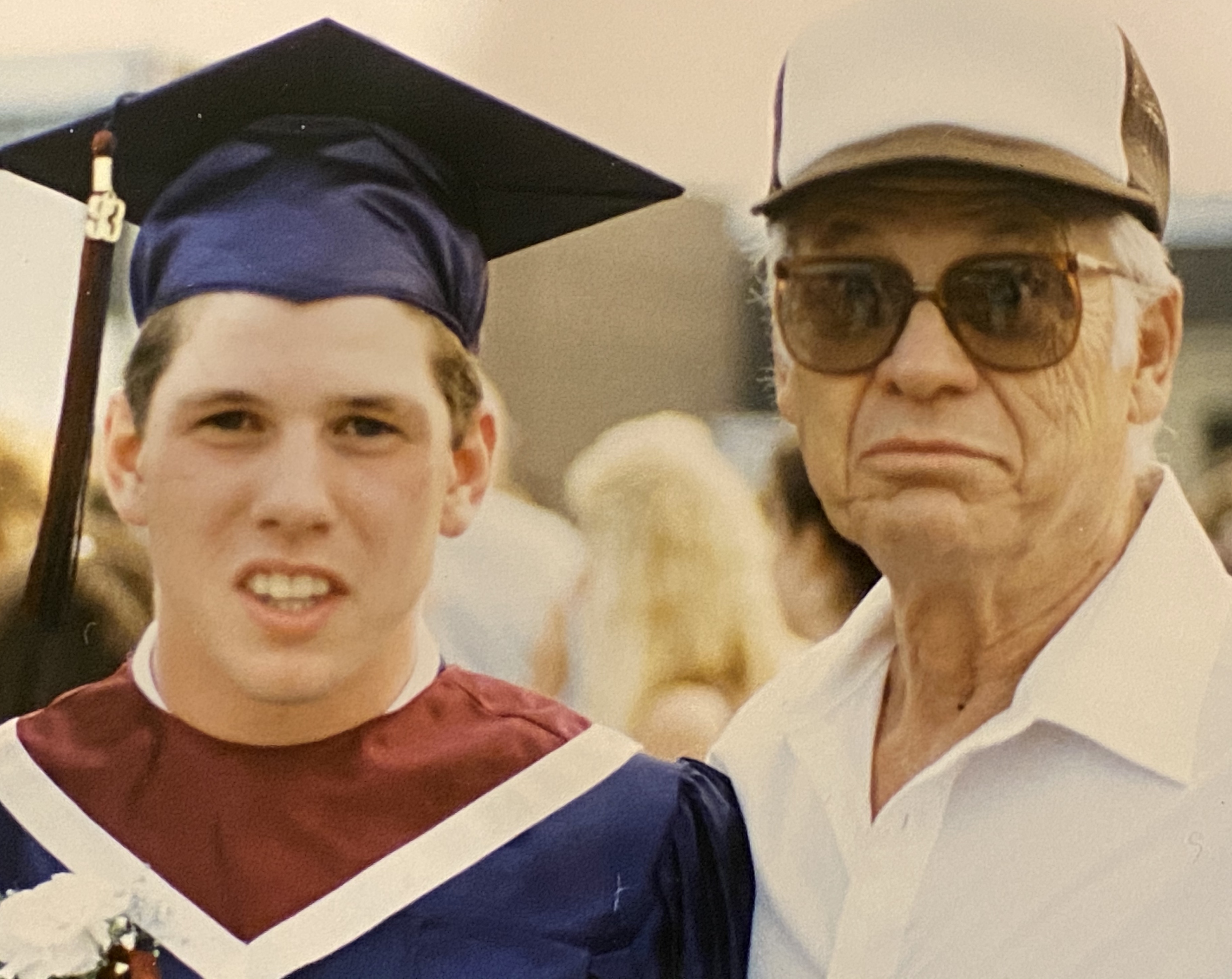
With his great-grandson, Joshua
I’m grateful to have had him as my father.
When he passed, that year, I had to travel for work. I happened to sit next to someone who had famous parents—you’d probably know them or her sister—and she told me I was fortunate to have had a parent I could miss. She shared that her parents were not nice people, and she didn’t miss them.
It is an odd paradox, to be so lucky to have had such a great father that he is now worthy of missing.
It’s a paradox I will take. Happy 102nd birthday, Pop. You are missed by me and all who knew you.
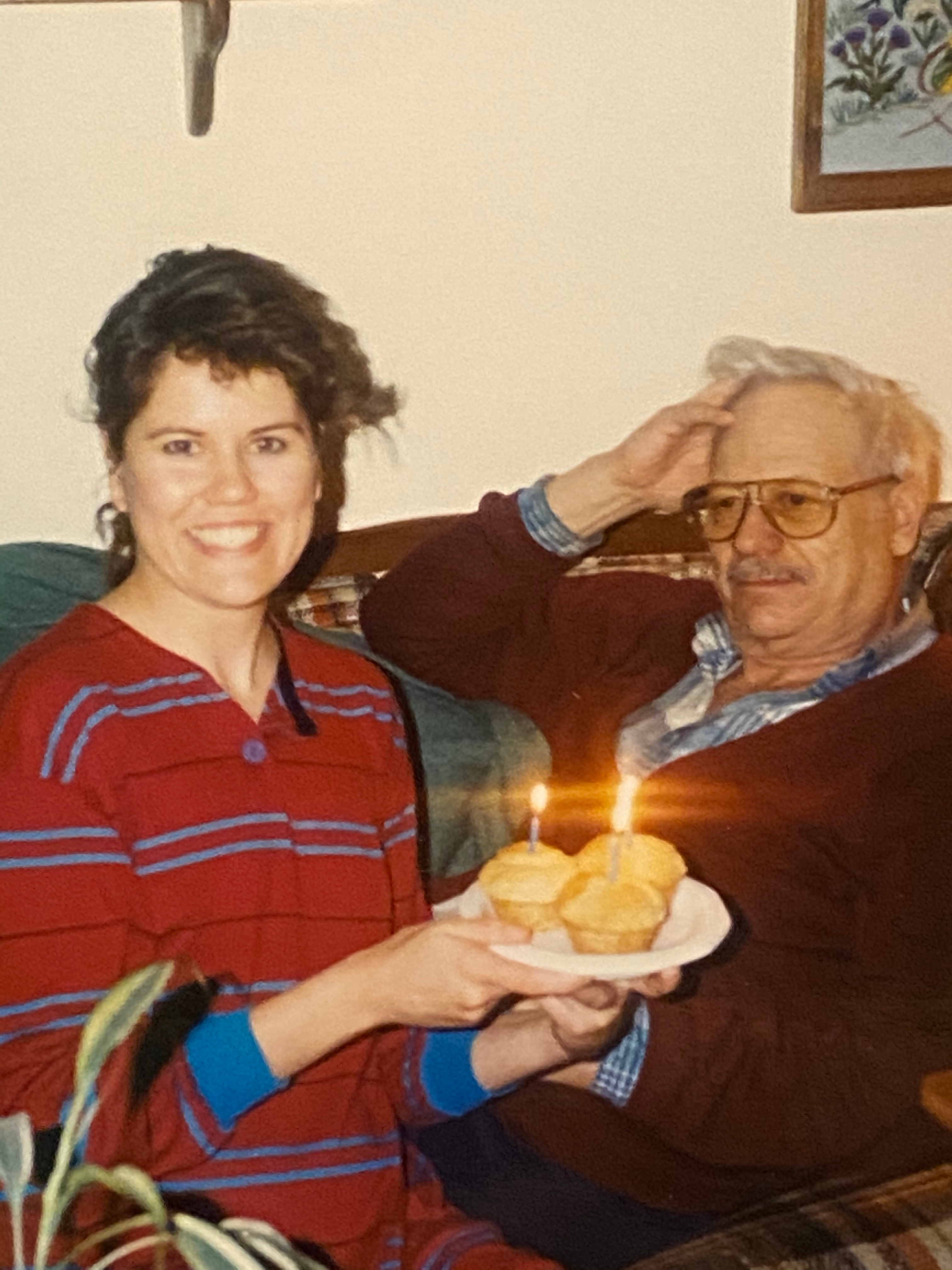
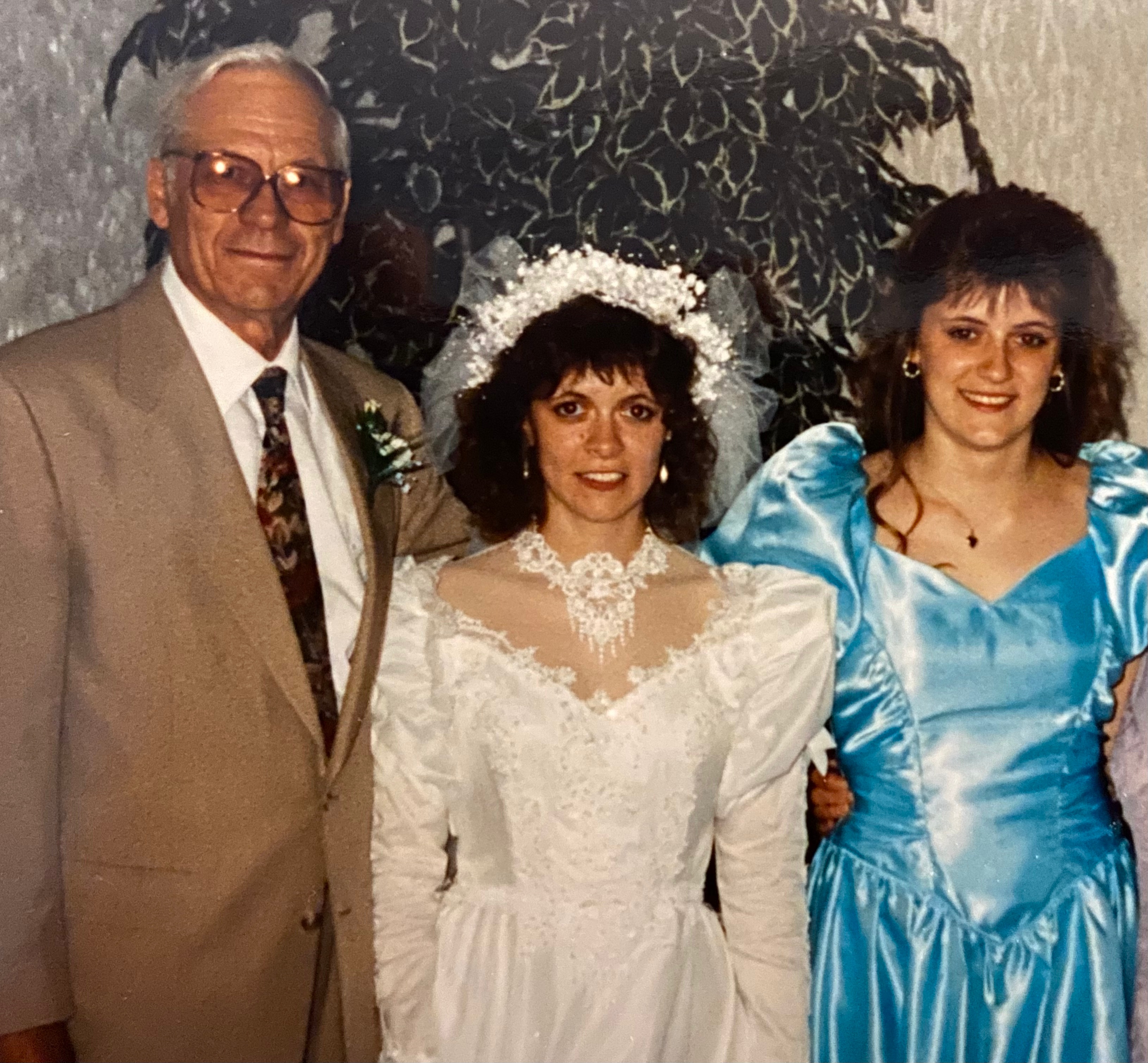
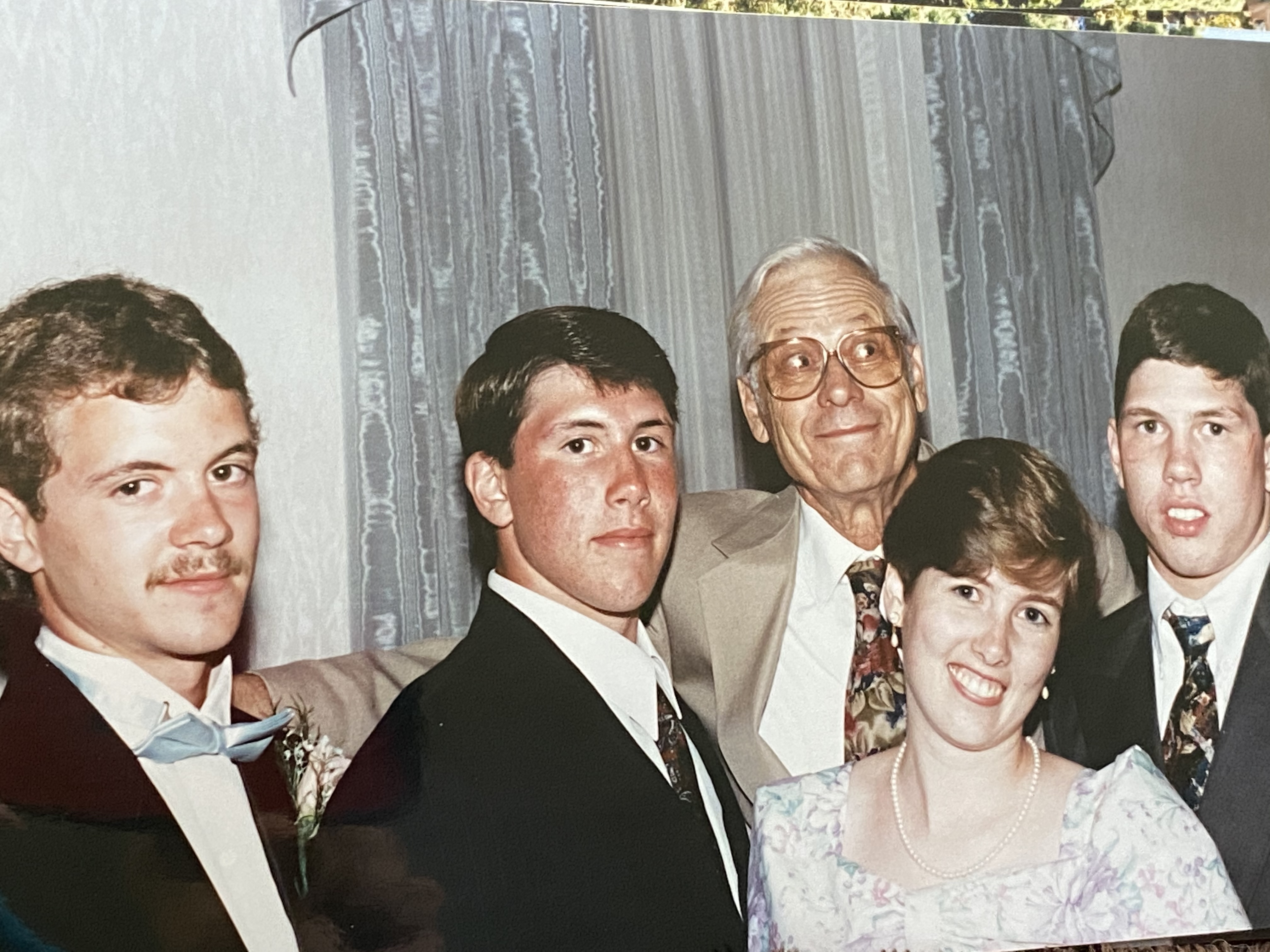
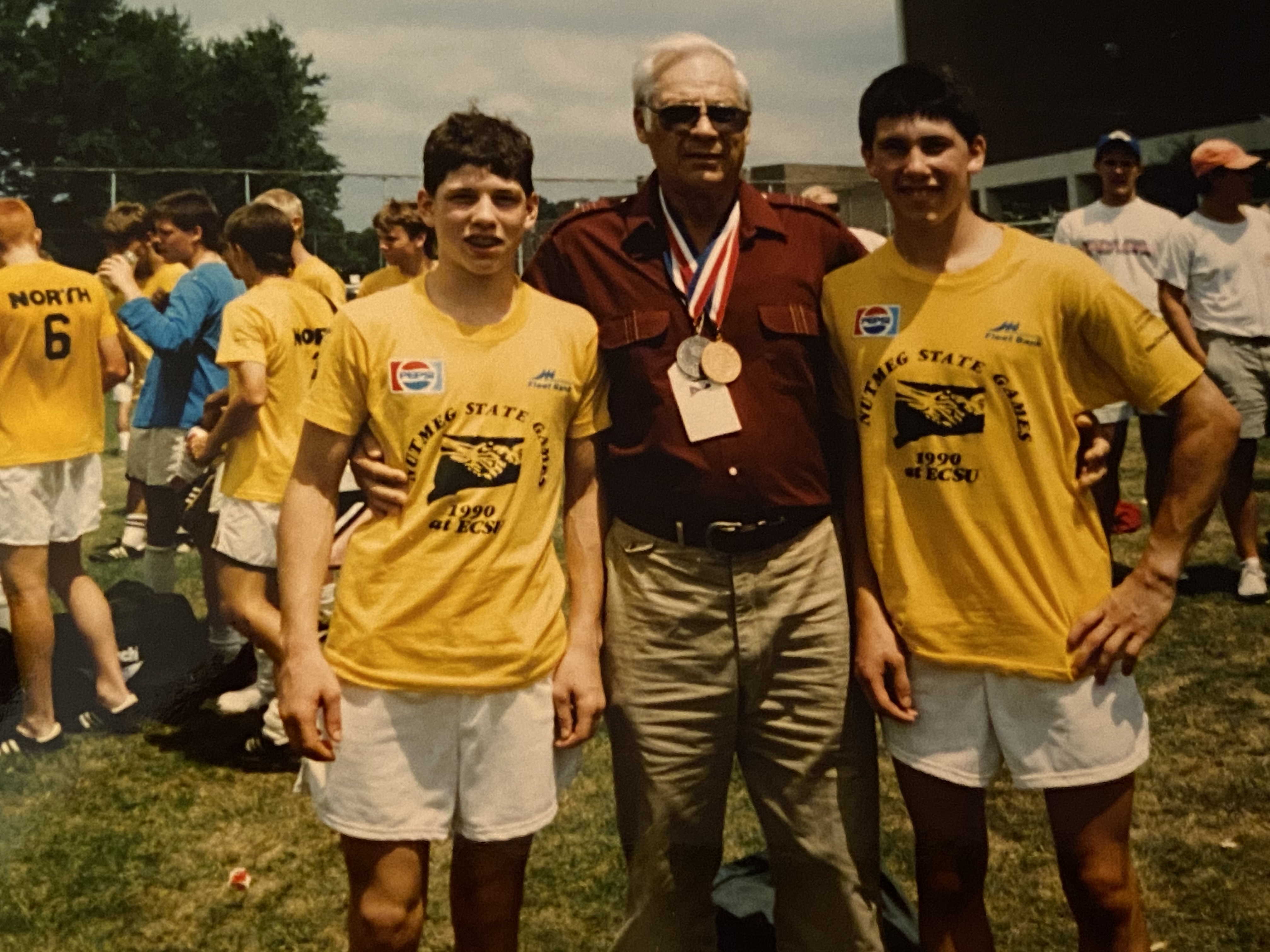
Not sure if it is his birthday or mine, but I know it is early morning because he looks pooped and I’m in a nightgown.With his youngest grandson, Andy, showing his light-heartednessHis oldest grandchild’s wedding (Penny) with his youngest granddaughter (Nancy)Four of his six grandchildren, Eric, Ernie, Jen, and AndyWearing his grandsons’ wrestling medals. I can still hear him saying, “Squeeze him, Andy.”
“It’s Never Too Late to Be What You Might Have Been”
I’ve embraced this quote by George Eliot since my twenties, using it as a carrot to keep propelling me forward. I’ve worked in Human Resources in Corporate America, successfully, since I was twenty-two years old, but I’ve always wanted to be a successfully published author as well.
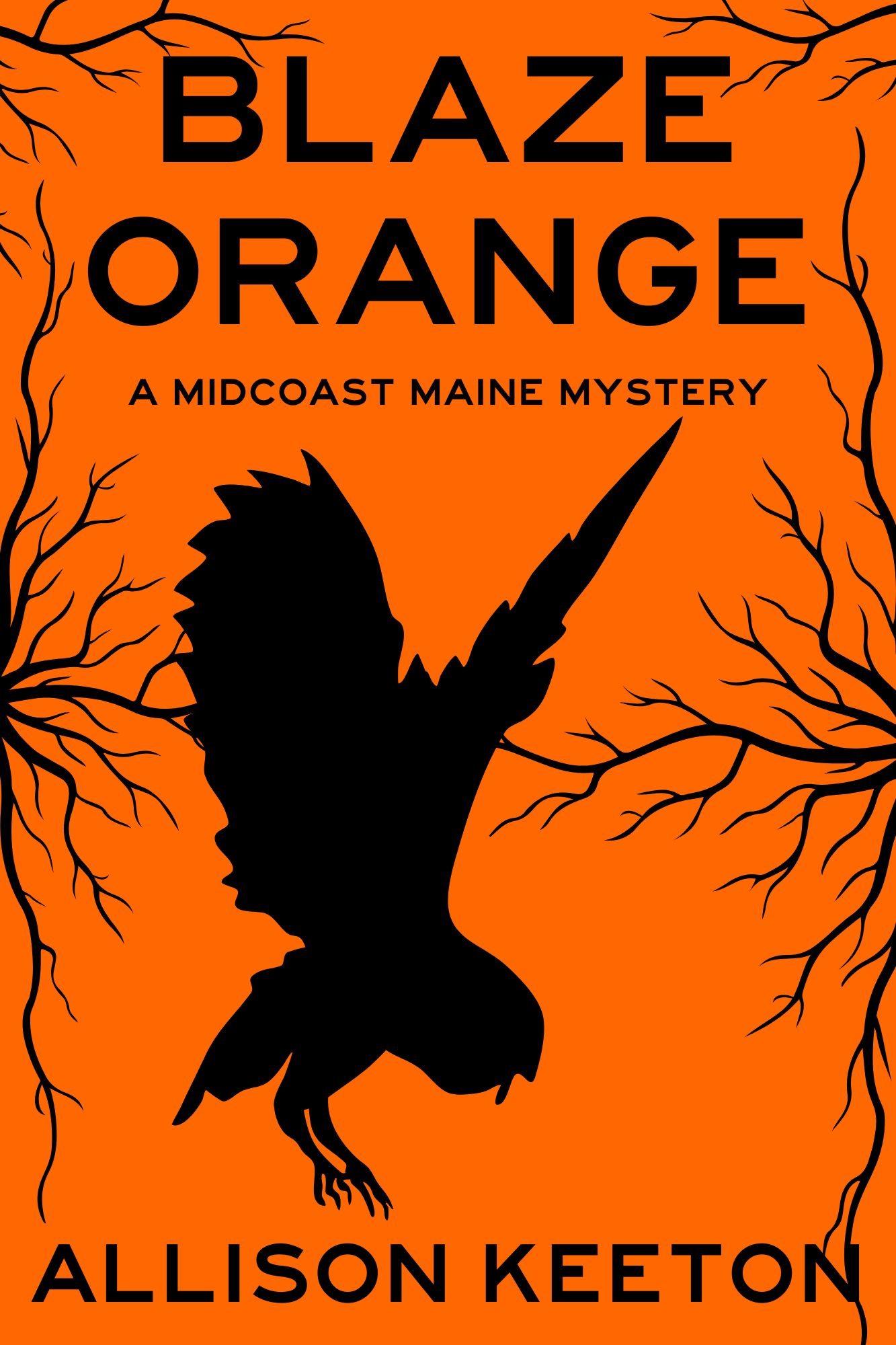
My first novel, Blaze Orange, came out this January, and to say I’m elated is an understatement. I recently finished writing Book Two in this series—coming out February 2026—and have started Book Three—which is due to my publisher in July 2026. I also keep adding to my notes for Book Four and beyond. I have other, older, novels that I’ve written over the past fourteen years, and a couple of these are coming out of the “drawer” for re-writing and editing with the hope that one or two of them will also make it on a bookshelf one day. All of this writing, coupled with the marketing of Blaze Orange, and performing my day job in HR, has created a busy world for me.
It’s been a fascinating time, and I’m documenting the lessons I’m learned. More to come on this in the fall.
Right now, I can finally say I’m an author, a title I’ve sought for decades. I’ve always been a writer—since age seven, but to be an author–by my own definition–I needed a real publication credit. Gaining the pub credit isn’t the end of the goals or the dreams, however. I have many stories in me that ache to get out. My fingers cannot fly across the page or the keyboard fast enough. And who knows where these books can lead?
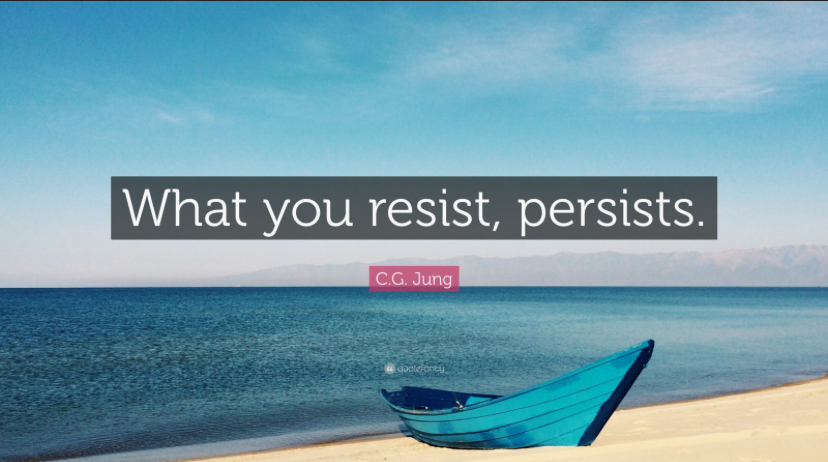
Over this past year, I’m also reminded of my favorite Jung quote: “what you resist, persists.” I always thought of the quote in the negative, about the price you pay if you resist changing for the better or if you refuse to see the harsh reality of something in your life that needs releasing.
But, I’ve revisited this quote and my perception of it. I now see it as a positive, as a way to obtain a goal. If you resist giving up and you resist caving into those who say you won’t make it, you will prevail. When we resist giving up our dreams, those dreams persist. Dreams that are alive have a chance of becoming a reality—if you keep working on them. I am grateful I kept resisting and persisting.
Never let the title “Dreamer’ be a negative one.
I’ve also had HR career goals. Five years ago, I decided to return to employee relations, after working solely in the recruitment realm for over a decade. I was told by many that my employee relations skills were too old, yet, through perseverance, I found the perfect ER role. I also had missed managing a staff, and that too has come back into my HR career. The crowning glory, however, came when I was asked to become certified in HR. My Bachelor’s in Business Administration is in Human Resources Management, but the current certifications in HR were not popular when I graduated college. As the certifications grew in demand, I had felt that my work experience was better than sitting for a test. However, it gnawed at me to not be certified, and the job market also has started to favor the addition of a certification.
I jumped at the chance to study and sit for the proctored exam, knowing that only fifty percent of exam takers pass the senior level on first try. I hadn’t studied so late into the night for decades, many decades, but there was no way around it. I still had to hold down my regular work responsibilities and my writing schedule. I passed on first try. Woot! Then I was asked to get a second certification in contracted staffing. I studied and passed that one too. I am grateful for all of these opportunities, and I’m excited to see what happens next with my HR career.
Working in Human Resources and having a fiction writing career sound like two conflicting objectives, but they’re actually connected. Working on issues involving the human condition—analyzing behavioral anomalies—is what I also write about as a mystery author. When I conduct an employee relations investigation, I try to uncover the truth and what caused someone to go off the rails, for example, and lie about another person. I’m always amazed at why people behave like they do. Or, when I’m sitting at my laptop, in the case of a mystery writer’s brain, I ask: why would an ordinary person commit murder? What causes a person to crack?
To run two parallel careers is daunting but satisfying too, and neither is far from over. Where will the next years take me on both paths as I set new goals and dreams. I now challenge you to ask yourself, what have you been eyeing to do? Where do you want your life to go? Plot your path to success…and believe in yourself. Do not say that you’re too old or it’s too late. It’s never too late.
It hasn’t been too late for me to be an author, and with age discrimination alive and well in Corporate America, I also beat those odds with my recent career shift and certifications. I’ve also done it while fully being me. The irony in George Eliot’s statement is she never published any of her own famous novels, such as Middlemarch or Silas Mariner, under her real name of Mary Ann Evans, because she feared prejudice as a woman. Perhaps the accolades for the work, or by allowing the world to eventually know it was her, was enough for her to feel that she too was what she needed to be.
This was written on a Saturday this past winter when it was 12 degrees in Maine….and we did not have enough snow to even bundle up for a quick snow mobile ride in the yard or to sled down our hill. We hunkered down for the day. I played Wordle with my family online, wrote for a leisurely two and half hours, and took the dogs for a walk at the beach so their feet could be slightly warmer on the cold sand. I stopped at our small local grocery store for fresh fish, did a load of laundry, and took a nap. Upon waking, I thought of my mother. How would she have spent this winter day? Or any day, for that matter.
My mother’s day through the eyes of her youngest daughter.
If it were Winter, before Christmas, she’d have lists to accomplish like present wrapping, card writing, cookie baking and delivering, last minute gift sewing, and tree decorating. Take notice – all tasks were to give joy to others.
After the holidays, with the days stretching in front of us, she sewed or knitted or read her women’s magazines, ripping out new recipes to try or a new craft idea to make as a fundraiser.
She hung clothes out on the line, sometimes with her hands red and raw from the cold. Not using the dryer wasn’t about being green. It was about saving electricity in order to save money. Even on days with rain in the forecast, she’d hang clothes and chance they’d be dry before the rain came. Many a time, she’d run out to grab them as the first drops fell. On non-windy days or days when the temperature was frigid, items like bath towels and jeans could stand by themselves in the corner when brought in.
If it were Spring, she was outside planting petunia, salvias, and marigolds after the last frost in May. Her portulacas and hen and chicks would have sprouted on their own from the previous year.
The heavy winter curtains, made to keep out as much of the winter wind as possible, came down, and the lighter summer ones were ironed and put up.
If it were Summer, she’d weed and water her flowers first thing in the morning…we only used collected rain water since we had a hand-dug well and didn’t want to run out of water for ourselves.
If it was early summer, she’d pick strawberries and make jam, and in mid-summer, it was time for blueberries to be frozen. If it was late summer, she’d can tomatoes and peaches from my father’s garden.
We had our own raspberry bushes so whatever we couldn’t eat in real time, the birds got. Unless my mother got there first to freeze them.
On weekdays, almost everything was done in the morning, because the soap operas started at 12:30 p.m., right after Douglas Edwards with the noon news on CBS.
She wasn’t idle in front of the TV, tho….
She knitted, crocheted or painted to raise money for the volunteer fire department or the church. I even got an occasional dress for my Barbie out of her handy work.
If it was close to dinner time, she may bring in a pot of water and a small garbage bag and cutting board to peel and cut up potatoes or carrots.
Auntie, my mother’s older sister and our neighbor, came up sometimes with her own craft work to do and watched the soaps with us. I watched too and always wondered why so many people cheated on their spouses or paused dramatically at the end of their sentences. My mother and aunt explained the history of who used to be married to whom and who was a secret brother, sister, or parent. Soap operas made adult life seem very complicated, and our family very dull.
Sometimes the soap opera story line launched them into talking about real life town drama like the wife-swapping scandal of the early ‘70s. If they didn’t want me to understand something, they’d talk in Slovak. I’m sure they made up an answer when I asked what they said.
If it were Fall, my mother began her prep for the annual church bazaar that she lead for many years. She hosted weekly craft sessions with ladies guild members. She was the youngest by far, probably only home because my parents were in their 40s when I was born. The other ladies easily had 20 years or more on her including my aunt.
Sometimes we traveled across town to someone’s house for the craft session, and I brought a Nancy Drew book to read. What I never did, however, was participate in the crafts. I had no interest then. Now when I struggle to figure out a stitch, I regret having not paid attention to all the experts who had sat around the table.
There were other constants in my mother’s day regardless of the season—all the cooking and cleaning and family birthdays. Daily, my older sisters called my mother to check in. I vowed as a child to never call my mother daily, and I stuck to it. I thought their daily calls showed they were bored, but in retrospect, how could they have been, having three young kids each. I didn’t see it as a devotion to our mother or a bonding over motherhood. Now it is too late for me to call my mother.
She had no electronics to distract her—no games, no texts, no videos to watch. She lived through direct human connection and a passion for others—her family, her community, and anyone whom she hadn’t yet met.
Today is Mother’s Day, and I salute my mother for all of her hard work and love. She is missed.
Today is also the fourteenth of May. My sister’s birthday. Even on Mother’s Day, my mother would have cooked for my sister to celebrate her. Happy birthday, Kathy.
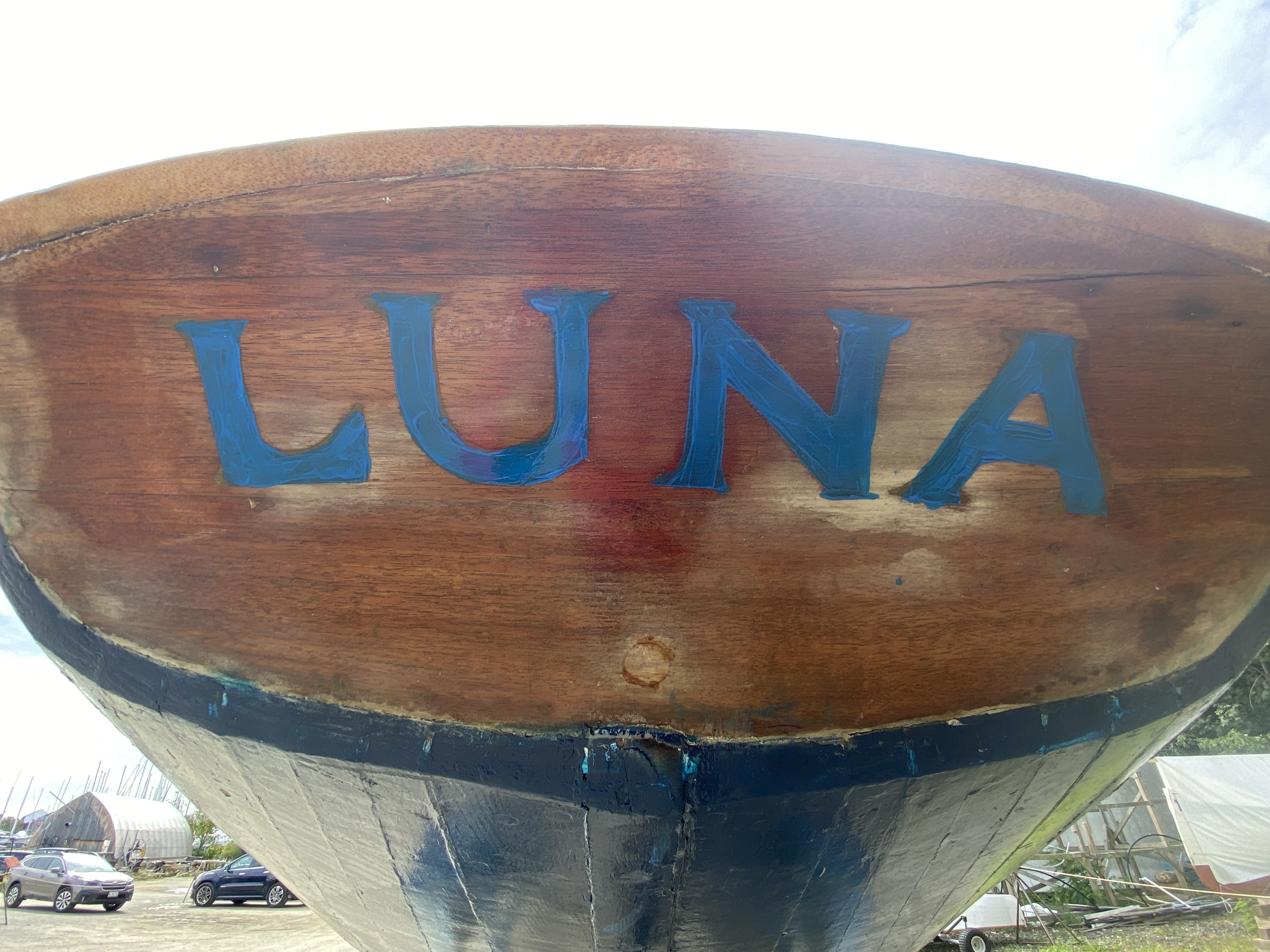
There once was a man who owned a wooden sailboat named Luna.
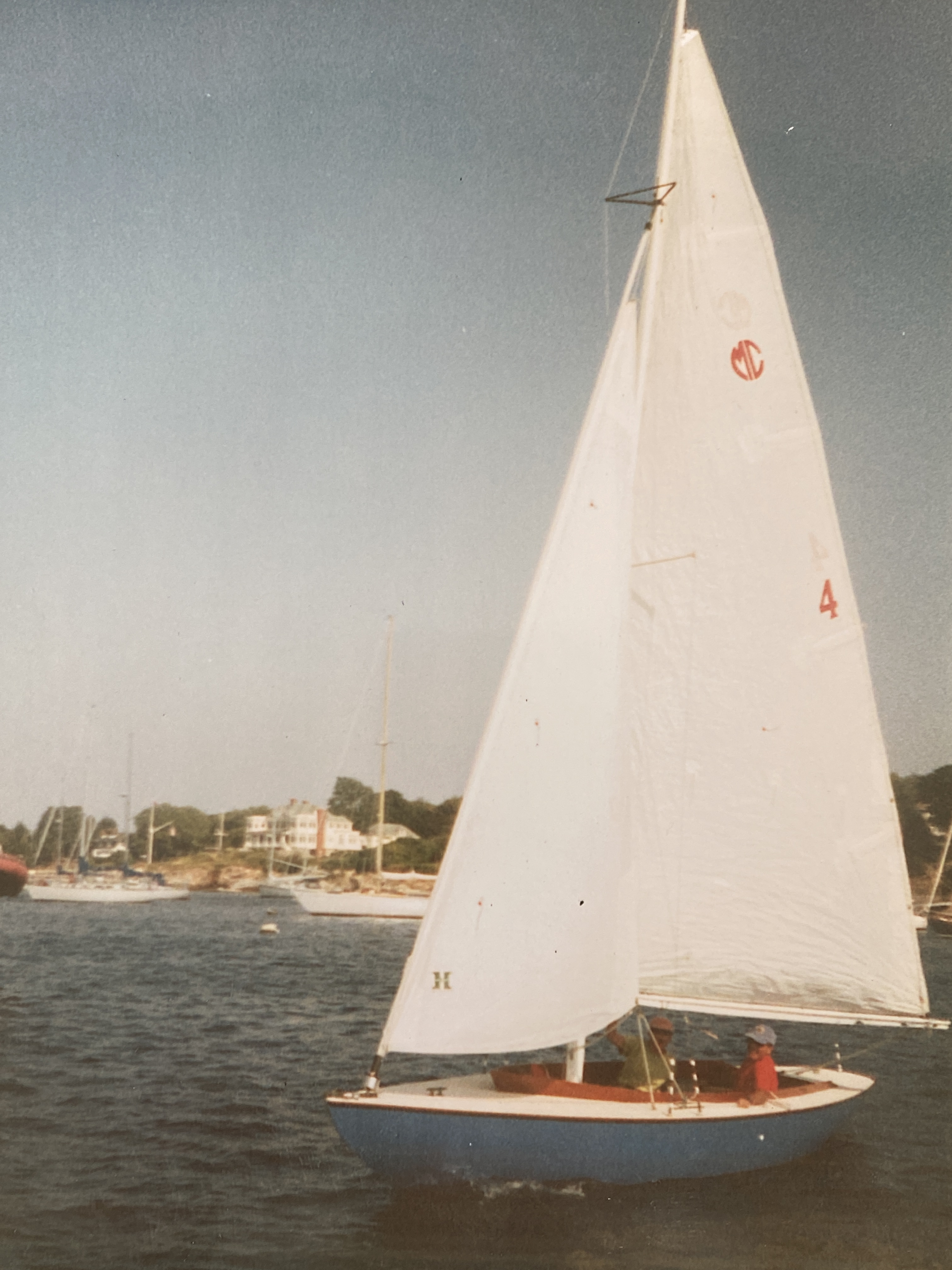
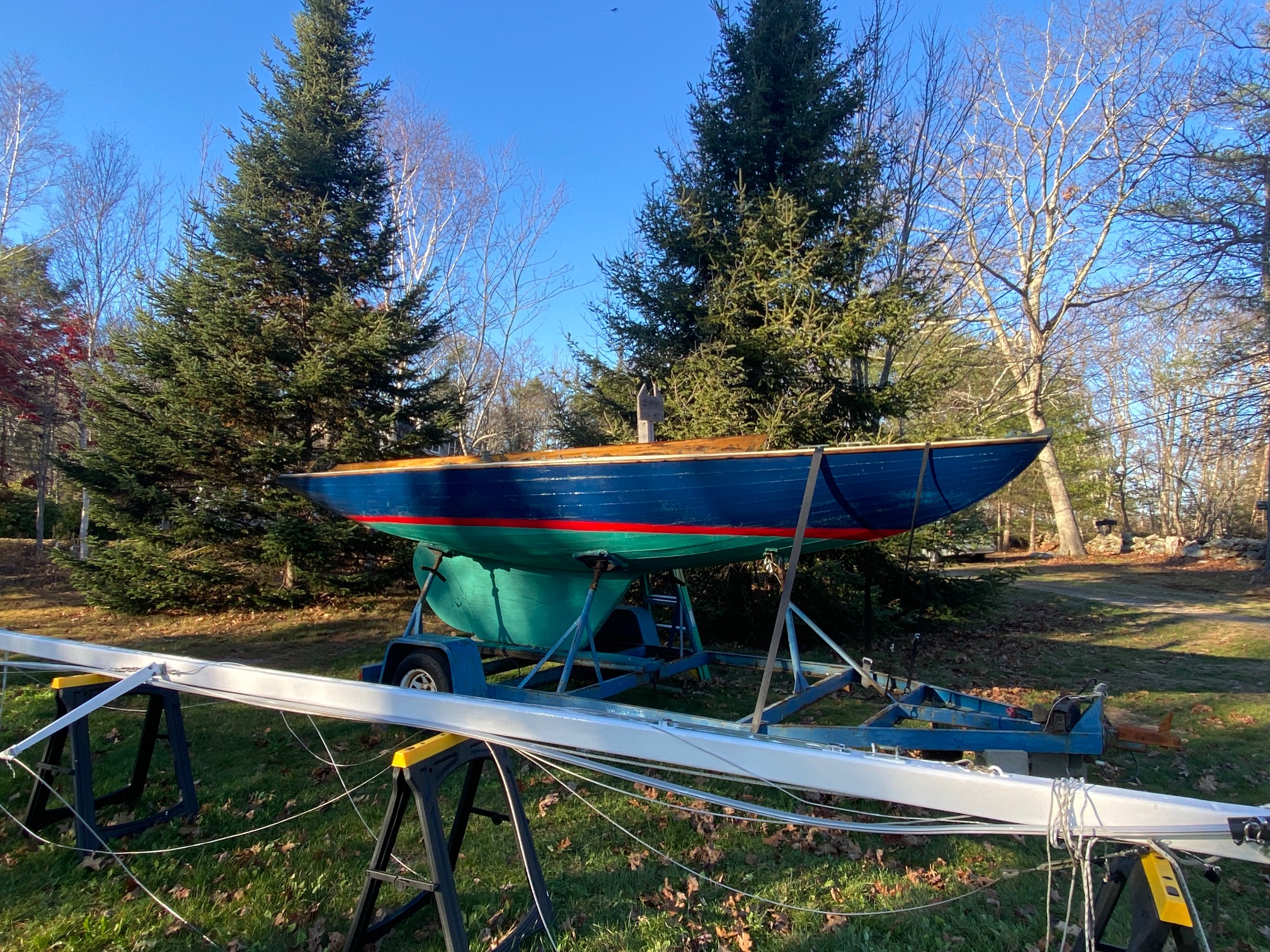
Luna wasn’t the first sailboat he owned, but it was the first wooden one. A 1949 Mermaid sloop built on Mt. Desert Island in Maine by E. Farnham Butler.
For years, he pined to own a wooden boat and searched and searched until he discovered Luna. She was being rebuilt at a wooden boat school. While she was being worked on, he periodically drove the four hours to check on her, and when she was finally restored, he brought her home.
For decades, he babied this boat, spending hours painting the hull, varnishing the trim, protecting the original bronze hardware from stains, and ordering better sails to improve her performance. He wanted her to be perfect. Her annual launch became a big deal to him.
Sailing on a wooden boat was indeed as magical and smooth as everyone had said it would be. Instead of bouncing along on the waves like his prior boats, Luna’s wood absorbed the salt water, and she became one with the ocean.
The father instilled a love of the ocean in his son at a young age and taught his son to sail. By age seven, the son raced sailboats with him. Even though they always came in last, they continued to plan what they would do differently next time to win.
Just as in sailing, the father was a reliable partner and friend for the son. When the son’s first career in accounting became unfulfilling, the father encouraged him to go back to college to pursue the son’s real passion — engineering — and to follow in his own footsteps of attending a maritime college and working on ships all over the world. Again, they would share their love of the ocean.
When time permitted, the son returned to visit the father, and to sail on Luna.
“You haven’t seen Maine until you’ve seen it from the water,” the father always said.
Luna was the last sailboat the father ever owned.
Ten years ago, this smart, athletic man, this family man in his early 70s, suffered a tragic stroke. In the hospital, his son sat by his bedside, wondering if the father he relied upon for guidance and friendship would ever wake up.
After thirty days, he did. But he wasn’t the same. The left side of his body was still and crooked. His emotional responses were anger.
The years and distance had not lessened the father and son bond, but now, it was the father who was distant despite being right there.
After his stroke, the mother waited for him to recover. She kept Luna for one year, then two, and finally three years. When it was obvious that the father would never sail again and that keeping the boat was futile, she let Luna go, first by trying to sell her, and when no one was interested, Luna was donated back to the wooden boat school to be used as a fundraiser.
But Luna was missed.
Almost as soon as Luna was given away, the son regretted it. Her absence was felt and echoed the loss of the father being his full self.
Framed photos of the family on Luna were placed in both the son’s house and his parents’ home. A wall hanging of a replica life preserver of Luna hung on a wall. But Luna herself was gone.
Ten years passed since the initial debilitating stroke. In between, a number of other strokes occurred. The once angry responses softened and were replaced with a seventh grade boy humor and a natural friendliness, but the father didn’t know where he was, what year it was, and what was going on in the world around him.
On some days, he still thought he had Luna, and in the middle of the pandemic, he used her as a lure to entice his son to visit. “You can use the boat,” he said. He didn’t loan her out lightly.
The son hadn’t lived near an ocean to take Luna when the father had fallen ill, but now that he too had a seacoast home, he became haunted at the loss of Luna. If he had known he’d living on the coast, he would have asked his mother to wait and keep Luna for him.
But Luna was long gone.
Online searches only showed the “for sale” listing he had put up seven years prior to help his mother. Year after year, he drove to marina after marina, harbor after harbor, hoping to get a glimpse of Luna in the water. But he never found her. Maybe she didn’t exist anymore. Maybe Luna had sailed her last voyage with his father and was left to rot somewhere. He finally asked the wooden boat school if they knew what happened to her seven years ago.
Within a day of his message, the son received a telephone call from a British man.
“I have your father’s boat,” said the man. The boat had been an hour away all the time.
The British man had her the whole seven years. “And I think I’m done sailing a wooden boat.”
The son inquired how much money he wanted for Luna. His heart pounded as he waited for the answer, afraid it would be too much.
“Nothing,” the British man said. “Luna should go back to you.”
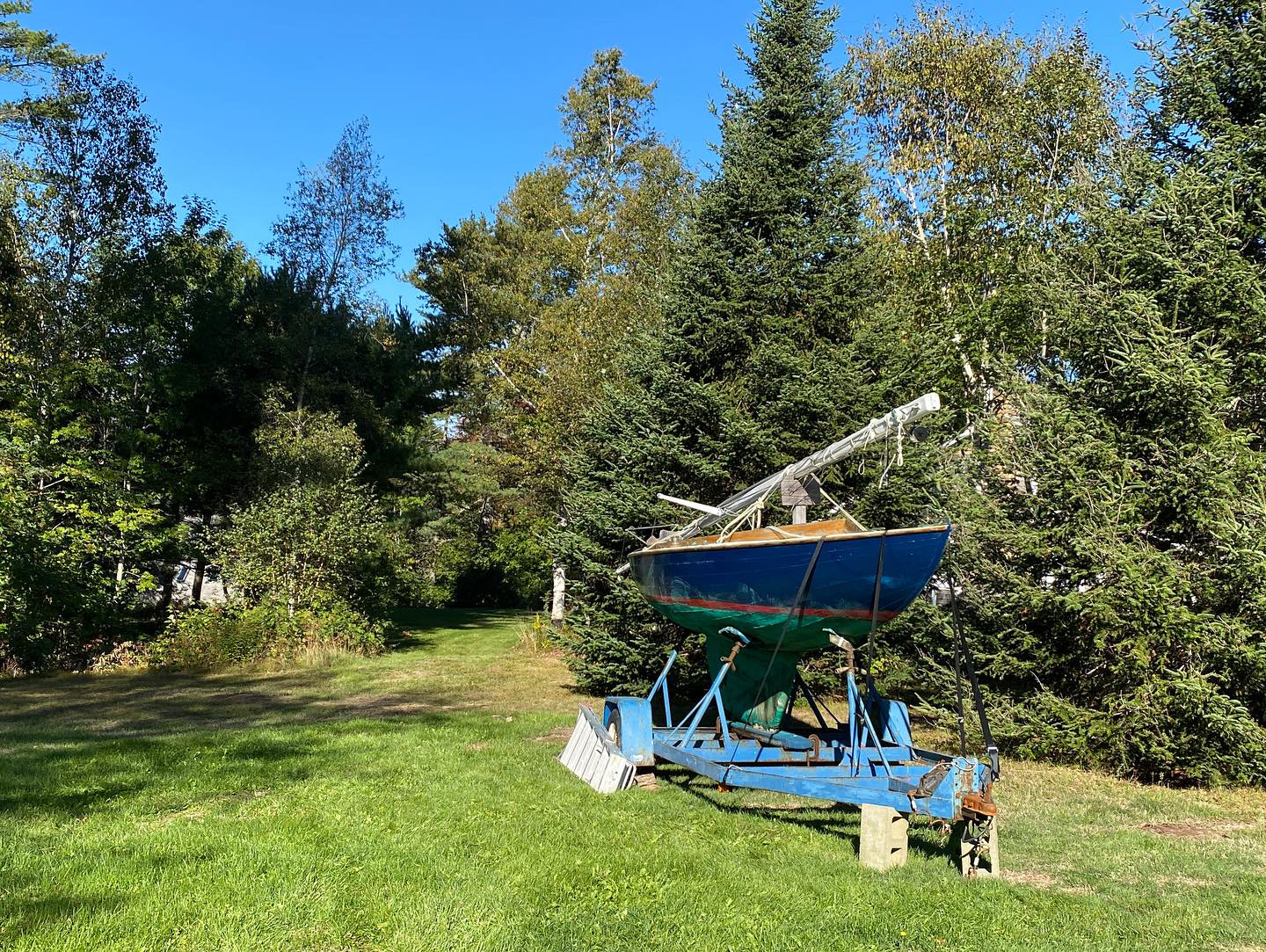
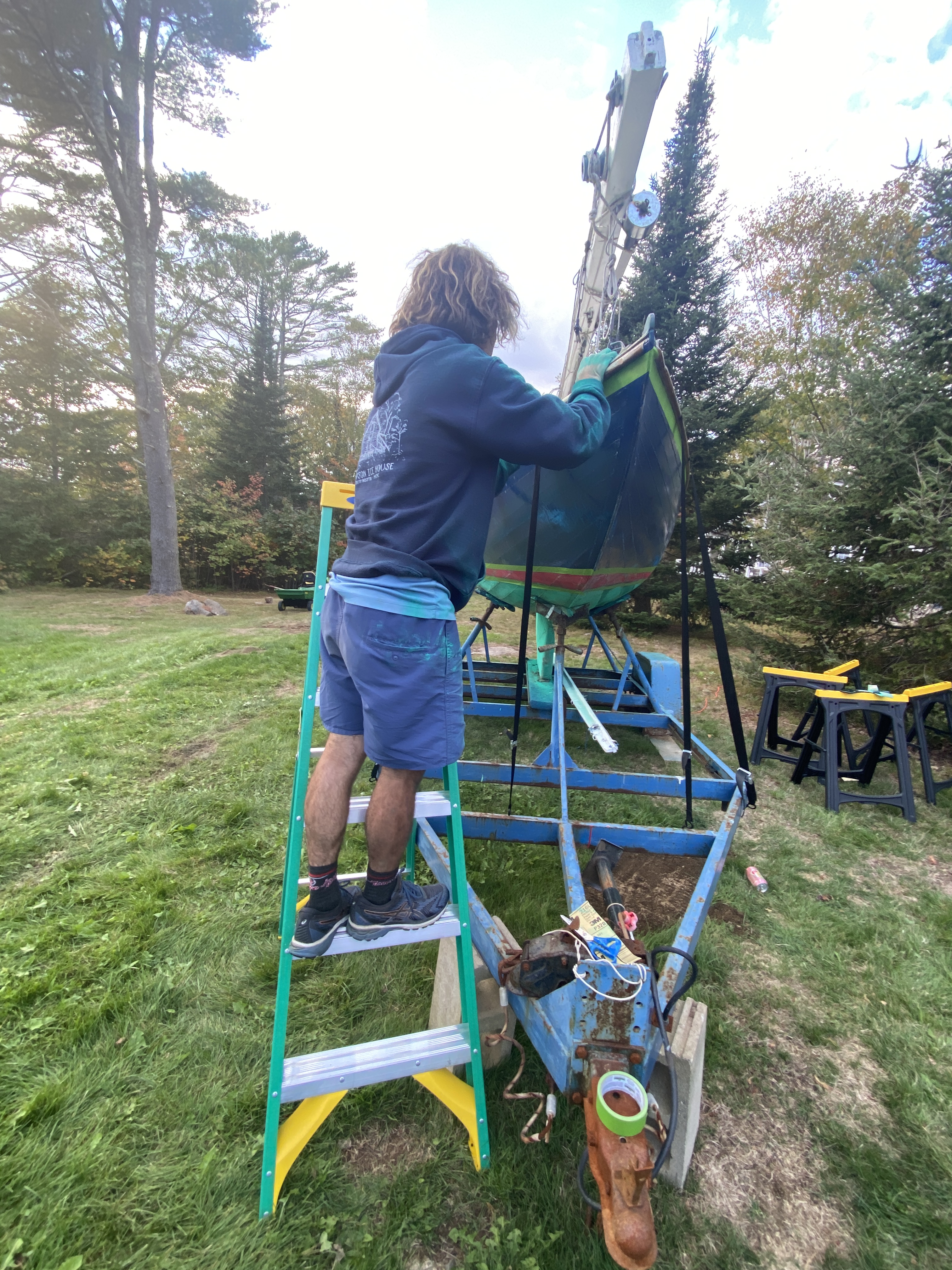
Out of gratitude, the son donated Luna’s fair market value to the wooden boat school. It was what his father would have wanted. Within a week, Luna arrived to sit out the winter in his backyard. She had been sailed and cared for those past seven years, but the meticulous painting and work of his father’s touch was gone.
Now, every scrape, every brush stroke brings Luna back to life, and brings the son closer to the relationship he once had with his father. It’s almost — almost — like doing the work with his father at his side.
Next Spring, Luna will sail again, this time with the son at the tiller. The father is too weak to get aboard the boat and too lost to know that Luna has been found, but Luna seems to know that she is home. Wooden boats are like that, you know. They have a soul. They are alive. It is said when you work the wood of a wooden boat, you stay in them and them in you. When Luna hits the water again, a little bit of the father will once again be a part of the ocean breeze, and the son will sail with him again.
Growing up in small New England town, I had an idyllic childhood. Small town festivities, quiet roads, and best of all, knowing my neighbors. One became a good friend, Charley.
He was two years older than me and game for any whacky idea I had. Or maybe the ideas were all his. I don’t remember that detail—just the fun we had. He played Matchbox cars with me, driving them through handmade tunnels in my sandbox or over the thick fur of my collie, Happy.
When we weren’t scooping kitty poop out of the sand or “borrowing” my mother’s jello mold to form mountains, we played other made up games. One of them was Digging to China.
It’s difficult to think of Digging to China as a game because it was a hard work breaking through the dried out earth, packed tightly under the swing set from years of use. My father lent us a shovel, and my mother provided a trowel. One summer, every day, we made time to dig. And dig. And dig.
We picked China because we assumed it was exactly on the other side of the globe from us. I couldn’t wait to break through China’s sky. I pictured my head popping through the clouds in China and looking down on the Chinese people as they went about their day—walking on sidewalks, buying from a crowded fish market, and farming their fields—images I must have learned in school. I figured they wouldn’t notice me up in the sky, and I’d have a chance to spy on their world for a moment. I could not wait for this adventure.
That summer came and went without completion of our hole. School started again and soon the digging was replaced with reading assignments, apple picking, and other distractions. The next summer also passed without completing the hole even though we worked on it frequently. Because I no longer used the swing set, the hole stayed as it was, filling up with water during rain storms and growing its own weed or two. We soon never went back to digging.
The image and dream of poking my head through China’s clouds stayed with me, however. A promise for another day. I had no reason to believe it couldn’t be so. Until 6th grade.
That year, my science teacher, Mr. Blanchard, ruined my dream.
Geology was part of the curriculum. We learned about the three main types of rocks—igneous, metamorphic, and sedimentary—and we learned about the Earth’s mantle—the hot, molten, bubbling, boiling lava about 1000 degrees Fahrenheit—and the Earth’s core, over 9000 degrees Fahrenheit. My brain instantly went to my digging project with Charley—I could never have dug all the way through the Earth and popped out in China. Even if the distance wasn’t far, I would’ve been burned to a crisp.
Fast forward many, many, many decades. I had never stopped equating geology with ruining my childhood dream, as silly as that may sound. But now I’m living in an area of New England where the rocks are just too enticing. The big boulders, the colors, the layering, and now they’re even in my own yard. I’m drawn to learn more.
So, back to class I go—and love it! Now I think of the large boulders as Glacial Erratics. The rocks peaking out on the side of the road are now Outcrops. I can’t stop talking about us living on amazing bedrock that’s 100 to 200 million years OLDER than granite–which is 300 million years old, by the way. I have a hard time walking with my head up because I’m always looking down for a unique rock dropped here as the glaciers came through.
And I’ve forgiven geology for ruining my childhood dream. The more I learn about geology, the more wonder I have for how the world came to be—the fascination of the separation of the continents and why spices and foods, like cilantro/coriander and rice, are prevalent in both South America and Southeast Asia—was it that way too when the land mass was one continent? Did the dinosaurs walk on the bedrock in my back yard? Is our climate changing in the same way it did for them over their 165 million years of existence? And most importantly, geology has given me the excitement of living exactly where I am. That beats poking my head through the clouds any day.
This past June someone asked me where we were going on vacation this year.
With “vacationland” embossed on my license plate, to me, I’m already there. Now, I hesitate to write this article because I’m like many others up here (I won’t mention my state—you figure it out)—we don’t want/need anyone else moving here, especially those who want to change the area to better suit their needs.
“What? There’s no pizza delivery?” A new local said.
No, you have to drive and get it. Thank goodness. Maybe, I should have said, it’ll make you move back to lower part of the U.S.
Now, I’m sounding like a stereotypical crusty (fill in the blank if you know the reputation). I’m actually a transplant myself. To the state, not the region. I am a New Englander, but a southern New Englander which comes with its own bias. However, I remind the locals that my childhood hometown is actually smaller and more rural than where I’m currently living. It’s true. It buys me credibility that my hometown, like here, uses a local company to be the official snow plower of our roads. I take my own garbage to the dump (and make new friends) like I did as a kid, and I learn the names of the shopkeepers and my neighbors.
But back to vacation.
For a year and half up here, I lived yards from a tidal river and thirteen miles to a white, soft sand beach where the attendant says, “Tom’s sitting on the left side” when I arrive on my own after errands.
With the dogs, we’ve hiked over a dozen wildlife preserves within fifteen minutes of the house and still haven’t gotten to them all.
Lily and Kelton (c)Keeton Photography
We’ve motored up rivers and around the Gulf, visiting lobster shacks, Atlantic puffins, and adorable harbors and coves.
Puffin at Eastern Egg Rock (c)Keeton Photography
I’ve photographed loons and learned to identify the sound of ravens versus crows. I have chickadee friends who follow me.
The towns around me brim with out-of-state plates as far as 3000 miles away.
If everyone comes here, why would I need to go anywhere else?
Damariscove Island cove (c)Keeton Photography
Ok, so I do have a travel bucket list that’s a mile long, but only one item is outside the state borders. That’s how big this state is.
As this summer has come to a close, and we’re in glorious fall, I’m already dreaming of local winter plans—praying for snow—and of next summer’s adventures. Until then, we continue to enjoy ourselves. We’ve moved to within two miles of that glorious beach. Deer, turkeys, and a fox watch us with curiosity. A boat-dotted harbor is our backyard. A friend says I live in a postcard. I do. With views like that, just try and get me to go anywhere else.
We’ve rounded the corner on winter, and my thoughts are already thinking of the beach! These thoughts have reminded me of notes I took back one hot July Saturday last year.
We had just selected our spot on the sand—we always came for “lunch” being locals and not feeling the need to arrive earlier like those who were only coming for the day or the week. Tom ground the umbrella base into the sand and attached the colorful top. We opened our beach chairs. I spread out the double towel, feeling that it provided personal space from folks walking in front of us too closely. It was COVID after all and a minimum of six feet between parties was not only prudent but a beach rule.
I plopped myself into my chair, under my umbrella (no more tanning for this aging skin!), and pulled out a novel I was relishing to finish. But first, I planned on relaxing while eating my sandwich—gazing out at the incoming tide and absorbing the sights and sounds that only the ocean can offer. As I took my first bite into the cold, creamy tuna, I felt the diligent work of the prior week roll off my shoulders. I closed my eyes and inhaled the sea air. I next should be telling you that I listened to the cry of the seagulls, but no. That isn’t what happened.
Always a better view when people go home and we stay. (AKeeton Photography)
Instead of melting into the lulling sound of the crashing waves, I was jarred back to reality by the blasting of music. The original version of Long Tall Sally invaded from the group of beachgoers next to us. At full volume. If they had been playing that when we were scoping out our spot, we would have kept walking.
But now, against my will, my desire for peace and quiet was destroyed. Moving to another spot on the crowded beach wasn’t an option on a sunny and hot July Saturday especially with social distancing regulations and the fear of the virus.
Yes, we could have just packed up and left, but gee, we had just gotten there.
The irony is the music they were playing was actually music I liked, under other circumstances. Part of the distain was that it was loud enough to filter into our space and distract us both from reading or even talking to each other. It felt like hanging out in a bar. Tom went in the water to escape. I put in earphones and tried to play something calming on my phone to allow me to focus back to my book. It didn’t work.
I believe the real reason the music was upsetting is I had no control regarding listening to it or not. In a world where our personal freedoms were eroding for the safety and health of the common good, I just wanted an afternoon at the seashore to relax.
To add insult to injury, the folks with the loud music weren’t even sitting in their area listening to it. They were playing in the water or at the snack bar.
So, who owns space? The people weren’t playing anything rude. They probably cranked it up so they would hear it from the water. They paid to get in to the beach. Was it their right to make their experience the way they enjoyed? Was this the same argument of mask or no mask as an infringement of personal freedom vs. public behaviors? I came to the beach to forget all of that.
In this case, we must remember who the real owners of the beach are—the seagulls. Tom is always says we’re borrowing it from them whenever a cry goes up from someone who’s had his lunch literally ripped out of his hands by a swooping gull, sometimes leaving a little blood on a finger tip from a misplaced talon. “Vicious and stalking gulls” says a sign as you come down the boardwalk to the sand. “Do not feed or encourage.” A restriction I have a difficult time following, especially with the smaller species who gently settle in next to me.
My buddy. He found us day after day. (AKeeton Photography)
So, if we’re borrowing the beach from the gulls and the ants and the mice in the dunes, it stands we could also be mindful of each other.
How did that particular hot Saturday afternoon end? Someone from two towels behind us went over and lowered the volume. At least I wasn’t the only one annoyed. But that action opened up another question in my mind—was touching someone’s property okay, even though it pleased me? Maybe the only answer in all of this is to not go to the beach on a hot Saturday in July.
###
One of the demanding beach owners (AKeeton Photography)
Last year, the pandemic year, was a year for many of us to try new things. We had the time, from either a lockdown or a layoff, or both. I just don’t mean the shock of wearing a mask into a store or forcing myself to not to hug other people upon meeting them outside. I’m referring to learning something new, overcoming a fear, or taking a major plunge.
We moved to Maine. Two years sooner than planned. Initially, we came for a 10 day quarantined Spring vacation in my partner’s empty family home. We brought everything with us from our southern New England house including bananas, half and half for coffee, his beer and my whiskey, and the frozen dog food. Maine had a strict out-of-state quarantine that our neighbors, and the police chief at the door, reminded us, and everyone, including the police, offered to shop for us should we need anything. No worries. We were set for our ten days and planned to do nothing more than hike, bike, and walk the dogs. We didn’t have internet, but we were only up short term. So we thought.
Due to work situations not requiring us to be back, our ten days stretched into twenty. A month rolled by. Then another. Then it was beach season—why would we leave then? Within six months, our Massachusetts house was sold, and we were officially Mainers.
One of the major aspects in moving to Maine is having an incredible access to fresh, extremely affordable seafood that around the world commands a top dollar. In warmer weather, a local fisherman’s co-op set up a tent outside a grocery store once a week. Now in January, I drive the ten miles down to its cove location and buy lobsters right off the dock from them. Or for a tiny bit more cash, I can walk to the town’s seafood market for fresh haddock and scallops at a whim.
I had never boiled a lobster before despite eating many at a restaurant or a VFW fundraiser. Years prior, I bought myself a large pot and Jasper White’s “Lobster at Home” cookbook but had used neither. In fact, I met Jasper once at a cooking event and told him I owned his cookbook. He said, “I bet you’ve never used it.” He was right. How did he know?
With both the book and my pot long gone, I was determined this year to make myself a lobster. I needed to first get over the spookiness of having a live organism in a bag in the refrigerator. Next, to risk hearing it “scream” when I dropped it into the boiling water (it didn’t). The Co-op had encouraged me to buy the even cheaper soft-shelled ones—who knew they existed?!—because they’d be easier to crack open. Their harder shell hadn’t grown back yet from molting. They were right. And yes, it was delicious and became one of many I’ve made and enjoyed since.
Another benefit of mid-coast Maine life is living in the oyster capital of the U.S. Again, I had slurped dozens of raw oysters in my life without ever opening one. Now was my chance to have them at home. I bravely bought the fresh, dirty, closed oysters on ice at a farmer’s market. Dug up that day from the local river, their shells needed a scrub before I could even attempt to crack them open. With my first batch, I didn’t even have an official oyster shell knife, but a large screwdriver did the trick. Now with my oyster knife in hand, I’m an expert.
I moved on to preparing mussels in a garlicky wine broth—one of my favorite dishes to order out. Then clam chowder with fresh clams—an Ogunquit restaurant recipe I made the year before in Massachusetts with Maine canned clams. This time, I bought flash frozen local ones and had to cut out the gritty black bellies. Next year, I’ll buy those fresh clams I see for sale in plastic coolers at the end of driveways.
Throughout my pandemic seafood exploration, I sprinkled in other new recipes, including the pre-requisite pandemic baking.
The two activities seem to be in direct opposite of each other. Baking is a careful scientific measuring ingredients. The other is raw in both the literal and figurative sense. The smells of the fish, the potential nicks of blood on my hands from my shell opener, the black innards of the clams, the scooping out of mussels that didn’t open upon cooking all seem barbaric to the refined process of kneading bread, spreading frosting, and inserting a cake tester into a buttery, light birthday cake.
Yet, the joy is the same.
In some of my baking, I chose to follow recipes by Mary Berry. While she is known to me from the addictive British Baking Show, I had never tried to bake like her. The connectedness to Mary Berry and the British way of baking helps me feel my own British heritage and reminds me of the deliciousness from simplicity. In baking and in life.
Baking with Mary pushed away any lingering fears of weighing, instead of measuring, ingredients—more pandemic learning!—but despite my years of a baking background, I failed over and over at Mary’s recipes. Maybe our U.S. ingredients aren’t quite the same, but more likely it was user error. That’s okay. It’s a good challenge to have something to look forward to—succeeding at a Mary Berry recipe! One of these days my delicate chocolate Swiss roll won’t look deconstructed!
We’re now in a new, more hopeful year. I don’t know about you, but I’m definitely more primed for risks, learning, and change. I look forward to exploring my new home state, and poking more into Canada too, when it’s safe to do so and allowed. I have a new goal of stumbling across a moose, but I’ll pass on seeing another porcupine unless the dogs aren’t with me. I’ll also continue to explore new recipes, eat more local food (yes, the potatoes in the clam chowder were also from Maine!), and push my skills in baking, writing, and in physical activities past my pre-conceived limits.
Let’s remember last year as the year that allowed us to be brave. And keep that bravery as part of our tool box.
Remember, this isn’t the first Christmas that is hard.
My father sent this Christmas card to my mother in 1945.
The good news was that he was on his way back home in one piece after being stationed in an American WWII general hospital unit in the India/Burma/Nepal region.
The bad news…well, the photo says it all. War leaves lasting scars on all involved.
On the back, he apologized for the card. He said it was the only one available. His twenty-one year old self wanted to send her something, to his new bride. I’m sure they both hoped he’d have made it back in time to celebrate Christmas together, but they had to spend another Christmas apart. It took many more weeks before they were reunited. They then had the blessing of fifty-three more Christmases together.
So many of us this year aren’t seeing the family and friends we normally do. In fact, last Christmas may have been the last time we saw someone. If we do see someone this Christmas, it may be through a window wave or a socially distant, semi outdoor gathering, and we aren’t hugging or touching. It all feels foreign. It’s not what we want.
We can feel sorry for ourselves, or we can remember that every year, not just in a pandemic, epic year, others are missing those they love due to a move, a military service, a death, an estrangement, a work commitment, or something else that keeps them apart.
Instead of looking at what is missing, let’s embrace what we have. The love is still there. We can see it and hear it. Let us be especially grateful for today’s technology that connects us with each other in an instant and often for free.
My mother said there were months during WWII when she didn’t know where my father was, if he was even alive. She obviously cherished this card of a burned out church since I found it among her belongings that she kept closest to her.
Let’s use it as a reminder that we will come out for the better at the end of this. Changed, of course, and strengthened.
And that Christmas, and all of its magical moments, comes, whether we see each other, and whether we feel like it’s Christmas or not.
I’m grateful for that, and for you.
Happy Christmas. Blessed, Healthy New Year. A joyous celebration to you however you celebrate or worship.
Both of my parents are gone. My dad, twenty years. My mother, six.
As soon as my mother passed, I felt like an orphan. There’s nothing like knowing at least one parent is alive to give you a feeling of security in the world. Even if you aren’t asking for help. Even if they aren’t well enough to help.
When I was in high school, my last grandparent died, my father’s mother. He himself was almost sixty years old. The morning after he received the call, I passed his bedroom doorway on my way to the kitchen. He was always an early riser, out and about way before me, but that morning, he laid in bed, staring at the ceiling. He didn’t even seem to know I had walked by. I realized at that moment, it didn’t matter how old the parent was or how old the child was, it was difficult to lose someone who had loved you unconditionally.
The year my own father died, I was traveling for work, six months after his death. In a restaurant, a woman, a stranger, was sitting in the next table, and we struck up a conversation. I shared that my father had died earlier in the year and that I wasn’t looking forward to Christmas without him. I told her how wonderful he was—funny, caring, clever. She shared her own parents were also deceased. And that she didn’t miss them.
“They were mean people,” she said. “You are fortunate you had a father you can miss.”
That sentence changed my life and the way I viewed his passing. Yes, ironically, I was lucky I had a father worthy of missing. I had a mother worth missing too.
Holidays bring such goodness but also remind us of deep loss. It is obvious who isn’t with us. We have memories we wish we could hop back into, even if for only an evening. In place of living in the past, we hold onto stuff as if we were holding the hands of those who are gone. In decorating for Christmas, in opening up an ornament box, in taking out a Spode dish, or an item made in my father’s workshop, the gift giver’s face floods back, their voice echoes in my ears.
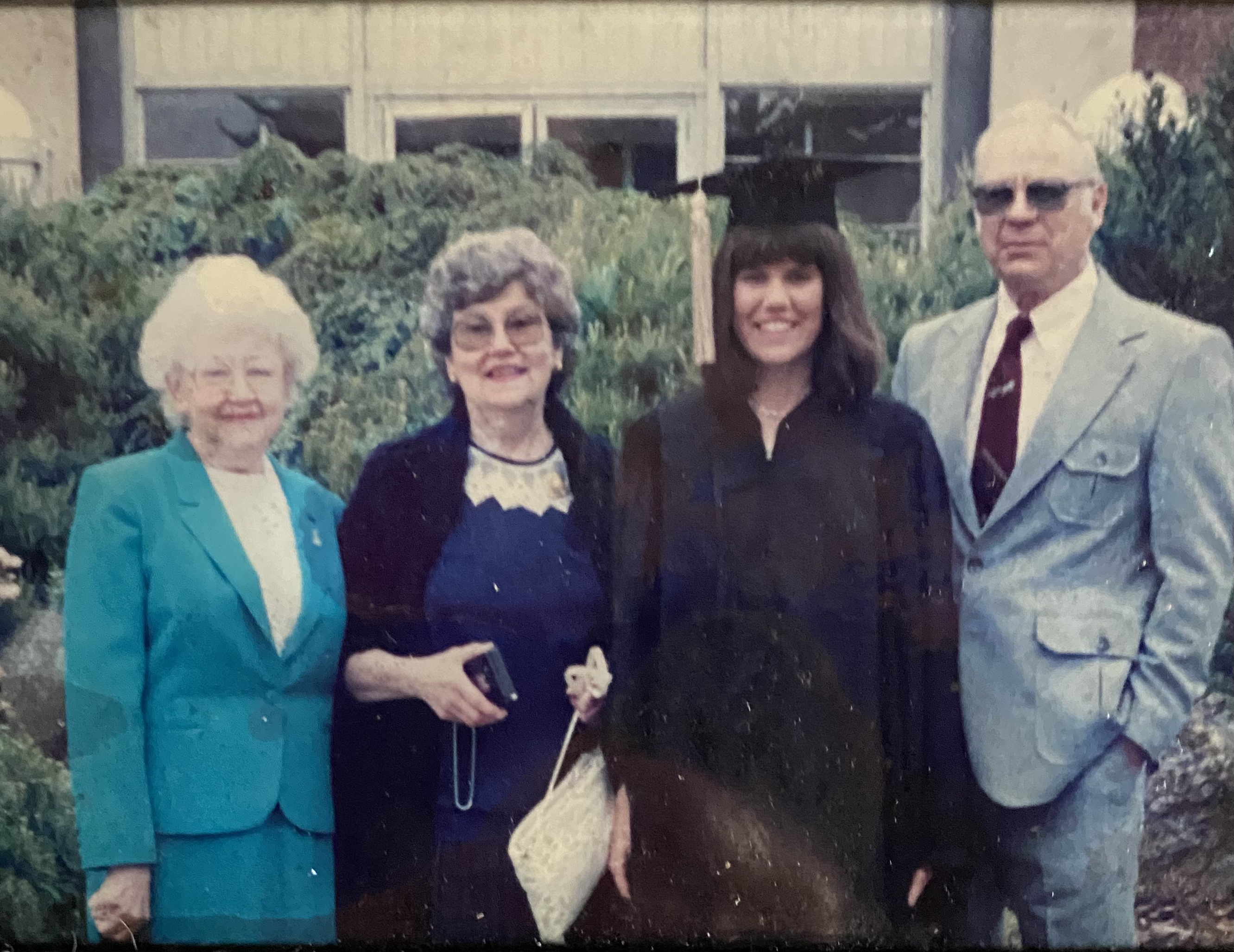
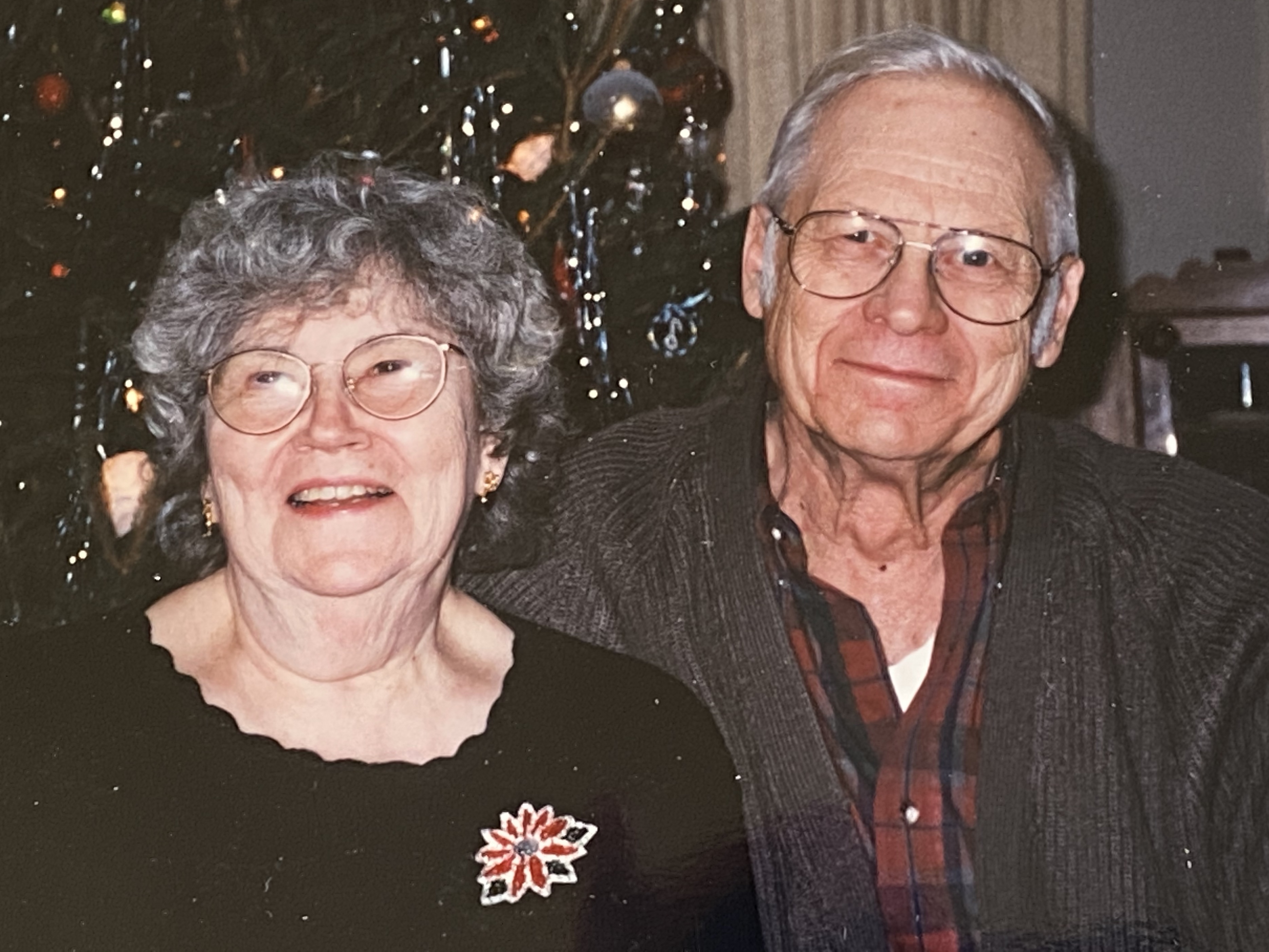
My parents
This year, due to a move, these Christmas memories are in storage. Yet my heart hasn’t been tucked away, and Christmas is still coming.
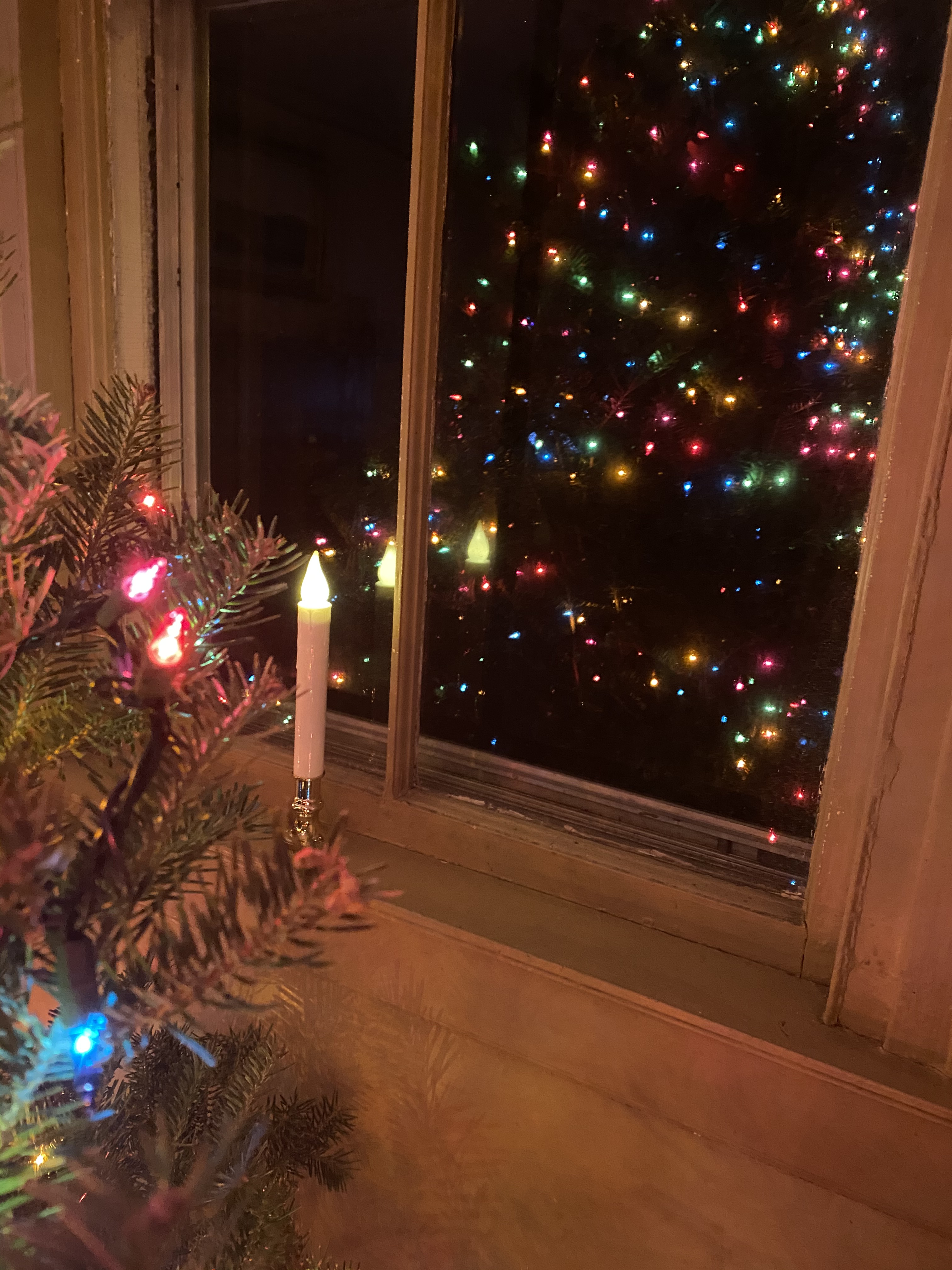
Our gorgeous simple tree doesn’t have one of my normal ornaments on it. There is no garland encircling it. No angel sits at the top. Yet it shines. It beams. At night, the warmth of its glow fills my heart and brings me back to my childhood of a loving Christmas Eve.
Growing up, there were thirteen of us in my immediate family—my older sisters had their families already. My mother was determined to make my six nieces and nephews remember the purpose of Christmas and to get use out of my dreaded organ lessons. On Christmas Eve, I played “silent night” while my parents, sisters, and brothers-in-law sang. My six nieces and nephews, in rotating order of age, lined up and carried baby Jesus to the manger before we opened our gifts. I’m not sure if my mother’s plan worked, but it gave us a family tradition we still chuckle about today. The bright night of the holiday with its twinkling lights and oplatki of the Slovak tradition have remained special to this day.
Except this year is different. Instead of eating with family on Christmas Eve, I will prepare a dinner for the two of us and deliver plates of roast beef and mashed potatoes to neighbors who are staying home alone to be safe. As a child, Christmas Day was always a quiet, alone day with my parents. My sisters were with their in-laws’ families. My mother’s parents were gone, my dad’s too faraway. I cherished the openness of that day, having all the time in the world to play with my gifts from Santa.
This year, I capture back that day. Just me and my Santa. The day, this season, is a gift really. It’s giving me time to reflect on Christmas, and more importantly, my own life.
That leads me to ponder. Do I stop putting up more decorations next year? Do I need them anymore? Or do I resume as normal, using them as clues to jog my memories.
My father of German heritage liked simple and neat. He married a saver. I am a blend. So my future Christmas will be a blend. A little bit more than this year. But not much more. Just enough to pay homage to Christmases gone by.
My simple Christmas, 2020
Scrooge learns to keep Christmas in his heart all year round. In doing so, I will keep the memories alive all year too. I won’t necessarily need prompts. Yet, I’m not quite ready to let everything go and live as an austere monk.
And I will continue to toast my parents. Yes, I am lucky to have had parents whom I could miss. And miss them I do, but they will be sitting with us in spirit on Christmas Eve as they do every night, whether I have a tree up or not.













 Largest Ball of Twine